Community
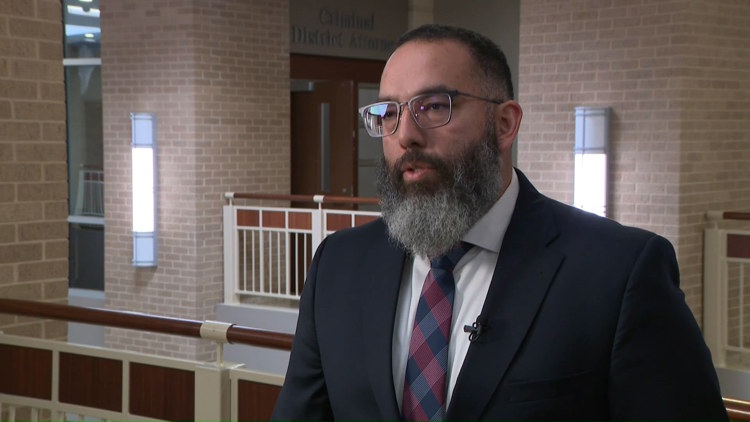
Alfonso Salazar outlines priorities after winning Hays County DA race
By Sofia Morales
Advertisement · Why this ad?
Ethan Brooks has been covering the dining scene in Austin for over 2 years and is a self-proclaimed foodie. He studied Journalism at Texas Tech University and has contributed to various online food publications.
More from Ethan →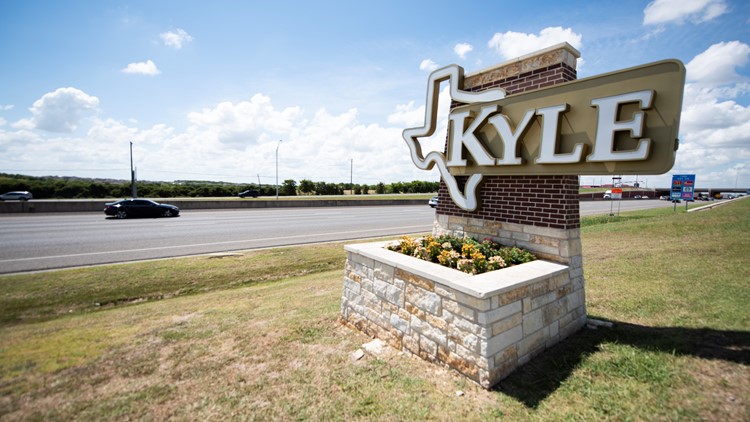
On a warm spring evening in Kyle, Texas, families gathered at the local park, children laughing and dogs happily wagging tails—unaware of the silent threat lurking nearby. Suddenly, a small bat swooped low, its wings flapping erratically, drawing concerned glances from observant residents. This seemingly minor incident has now spiraled into a community-wide alert, as the City of Kyle confirms that two bats tested positive for rabies, raising alarm bells for public health officials and families alike.
In recent weeks, Kyle’s animal control teams responded to multiple reports of wildlife exhibiting abnormal behavior—bats that appeared disoriented, aggressive, or unable to fly properly. Laboratory testing confirmed that two of these bats, found in different neighborhoods, carried rabies, a deadly virus that can be transmitted to humans and pets through bites or scratches. The city’s health department swiftly issued a warning, urging residents to exercise caution and report any suspicious animal activity.
Rabies, though rare thanks to widespread vaccination programs, remains a serious threat when cases do emerge. The virus affects the central nervous system, leading to symptoms like confusion, paralysis, and aggression—traits that make rabid animals particularly dangerous. Kyle’s officials emphasized that while the risk to the general public remains low, vigilance is essential to prevent further spread and protect the community’s cherished families and pets.
News of the rabies-positive bats has prompted a wave of concern among Kyle residents, many of whom have shared stories of encounters with wildlife in their backyards. Local pet owners are especially anxious, knowing that unvaccinated animals could be at risk. The Kyle Animal Control department has responded by increasing patrols and offering free rabies vaccinations at the city’s veterinary clinics, reinforcing the importance of keeping pets up-to-date on their shots.
In a community where families cherish their faith, faithfulness, and close-knit bonds, the threat of rabies underscores the vital role of responsible pet ownership. Dr. Lisa Martinez, a veterinarian serving Kyle, reminds pet owners that “vaccinating your animals against rabies isn’t just a legal requirement; it’s a moral duty to safeguard your loved ones.” She advises residents to keep pets indoors at night, avoid handling wild animals, and report any animals displaying unusual behavior to Kyle Animal Control immediately.
The city is working closely with state health officials to monitor the situation and prevent further cases. Kyle’s public health department is planning informational sessions and distributing educational materials to ensure residents understand how to identify rabies symptoms and what steps to take if they encounter a suspicious animal. The city also encourages families to review their emergency plans, including ensuring their pets are vaccinated and understanding the importance of prompt medical attention following potential bites.
While rabies remains a rare disease in Texas thanks to concerted vaccination efforts, this incident serves as a reminder that nature still holds surprises. Kyle’s community, built on strong marriages and families committed to faith and safety, continues to demonstrate resilience and unity in the face of challenges. By staying vigilant and informed, residents can protect their loved ones and uphold the values that make Kyle a safe, caring place to call home.
Kyle, a rapidly growing city nestled in the southern part of Travis County, has long been known for its friendly, small-town atmosphere combined with a vibrant, expanding population. With a population that has nearly doubled over the past decade, Kyle has become a hub for families seeking affordable housing, good schools, and a strong sense of community. Its proximity to Austin has made it an attractive place for newcomers, yet it retains a unique identity rooted in local traditions, faith, and community engagement.
Local leaders and residents take pride in maintaining a safe environment amid rapid growth. The city’s parks, including the one where the recent incident occurred, serve as vital gathering spaces for community events, sports leagues, and family outings. Kyle’s residents often participate in neighborhood watch programs and volunteer efforts to keep their neighborhoods safe and clean. The recent rabies alert underscores the importance of community awareness and collective responsibility, especially as wildlife and urban development increasingly intersect.
Mayor Travis Mitchell, a longtime resident and community advocate, has been actively involved in addressing the rabies situation. He emphasized the importance of community cooperation and reassured residents that the city is working diligently with state agencies to monitor and contain the threat. Kyle’s Director of Public Health, Dr. Emily Harper, has coordinated efforts to distribute educational materials and organize informational sessions to keep residents informed about rabies prevention and pet safety.
The Kyle Animal Control department, led by Supervisor Mark Jensen, has been on the front lines, responding to wildlife reports and conducting outreach. Local veterinarians like Dr. Lisa Martinez have played a crucial role by offering free or discounted rabies vaccinations to pet owners, recognizing that vaccination is the most effective way to prevent rabies transmission. Many local clinics have extended their hours and increased vaccination appointments to meet the community’s urgent needs.
Local families, many of whom have lived in Kyle for generations, are now more vigilant than ever. Sarah Lopez, a mother of three and owner of a small rescue dog, shared her concern: “We love our outdoor space, but now we’re extra cautious. We’ve scheduled our dog’s vaccination and are keeping him inside at night. It’s about protecting everyone—our kids, our pets, and our neighbors.” Such stories highlight how community members are rallying together to prioritize safety and health.
The rabies alert is more than a health advisory; it’s a reflection of Kyle’s ongoing growth and the challenges that come with it. As the city expands, interactions between wildlife and humans increase, raising the stakes for public safety. The incident reminds residents that even in a close-knit community, vigilance remains essential to prevent outbreaks of preventable diseases.
Furthermore, the economic impact of rabies outbreaks can be significant. Fear of infection could influence local pet businesses, veterinary clinics, and even tourism if not properly managed. By acting swiftly and responsibly, Kyle’s leadership aims to prevent such consequences and demonstrate that community health is a shared priority.
Moving forward, Kyle plans to enhance its wildlife management and public education efforts. The city will likely increase outreach to inform residents about wildlife safety, proper pet vaccination, and how to recognize rabies symptoms. The local health department is also considering collaborations with schools to incorporate rabies awareness into health education curricula, ensuring that children understand the importance of animal safety from a young age.
Additionally, Kyle will continue to work with state agencies like the Texas Department of State Health Services and the Texas Animal Health Commission to monitor the situation and respond to any new cases. The community’s resilience and proactive approach will be crucial in maintaining safety and preventing future incidents.
Ultimately, this incident underscores the importance of community vigilance, responsible pet ownership, and ongoing education. Kyle’s residents, proud of their close-knit, faith-based community, remain committed to protecting their loved ones and maintaining the welcoming, safe environment that has defined Kyle for generations.
By Sofia Morales

By Dylan Carter

By Sofia Morales
By Lila Chen