Community
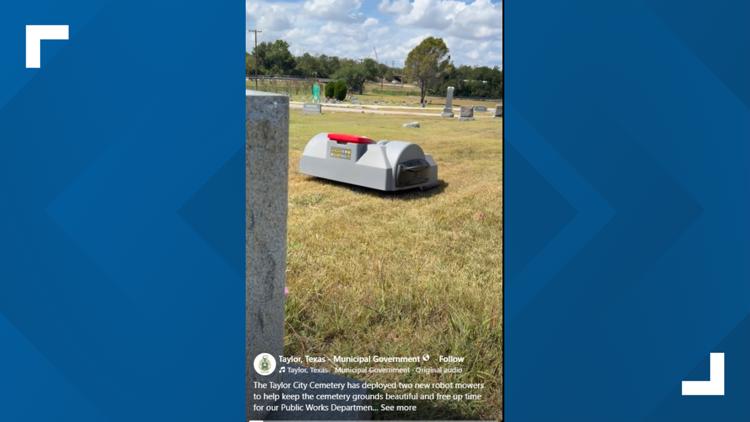
Taylor voters name robot mowers that maintain cemetery grounds
By Dylan Carter
Advertisement · Why this ad?
Ravi Patel focuses on the impact of technology on local communities and small businesses. He graduated from the University of Houston and has written for NPR affiliate stations and tech blogs across Texas for 7 years.
More from Ravi →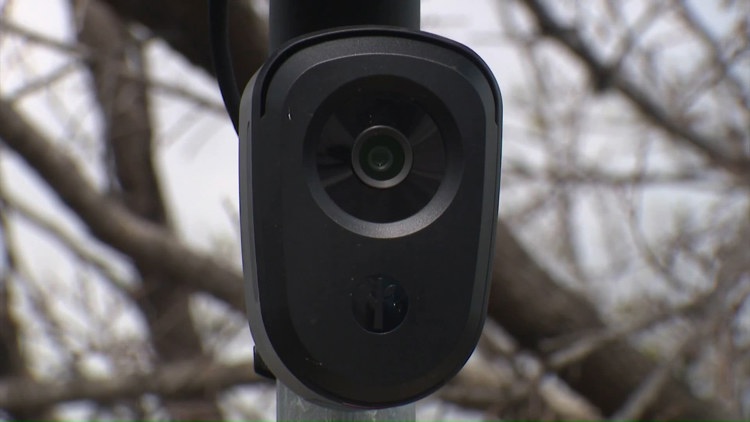
As the sun dipped below the horizon in Taylor, Texas, the last flicker of the day illuminated a city grappling with the delicate balance between safety and privacy. Residents, once reassured by the presence of surveillance cameras, now face a new reality as the city council has decided to terminate its contract with Flock Safety, a company providing automated license plate recognition technology. This decision, driven by data security concerns, reflects a growing unease among citizens about how their information is being collected and used.
On a recent evening, the Taylor City Council convened to address pressing community concerns regarding the safety and privacy implications of its surveillance technology. The council voted unanimously to end its contract with Flock Safety, a move that will see the removal of eight cameras installed across the city. The decision came after reports surfaced about potential vulnerabilities in data security, prompting officials to reconsider the implications of such surveillance on individual privacy.
Flock Safety's cameras, which were originally intended to enhance public safety by capturing license plate data, have faced scrutiny from privacy advocates and residents alike. Critics argue that while the intent may be to deter crime, the potential for misuse of collected data poses a significant risk. With the cameras now disabled, the city is taking a step back to reassess its approach to public safety.
The response from Taylor residents has been mixed. Some express relief at the decision, feeling that the cameras represented an invasion of their privacy. “I never liked the idea of being watched everywhere I go,” said local resident Maria Gonzalez, who has lived in Taylor for over a decade. “It’s comforting to know that the city is listening to our concerns.”
Conversely, others worry that the removal of the cameras might lead to an increase in crime. “I understand the privacy concerns, but I also feel safer knowing those cameras are up,” remarked John Smith, a business owner in downtown Taylor. “It’s a tough balance, and I hope the city finds a way to keep us safe without compromising our privacy.”
The decision to terminate the contract with Flock Safety is not merely a reaction to resident feedback; it is also indicative of broader societal trends regarding surveillance and data privacy. In recent years, many cities across the United States have grappled with similar dilemmas, weighing the benefits of technology against the potential risks to personal privacy. The Taylor City Council’s proactive stance may serve as a model for other municipalities facing similar challenges.
Data security breaches are becoming increasingly common, and cities must navigate the complexities of protecting citizens while ensuring their rights are upheld. The council’s decision underscores the importance of transparency and accountability in the use of surveillance technology. As concerns grow over data misuse, communities are demanding more stringent safeguards and clearer policies regarding how data is collected, stored, and utilized.
The removal of Flock Safety cameras marks a significant shift in Taylor’s approach to public safety. While the cameras were intended to deter crime and aid law enforcement, the city is now tasked with finding alternative methods to ensure community safety without infringing on privacy rights. This could involve increased community policing efforts or the implementation of other technologies that prioritize data security.
City officials have indicated that they will engage with the community to explore new solutions that align with residents' values. “We are committed to finding a balance that respects the privacy of our citizens while ensuring their safety,” said Mayor Chris Harrison during a recent council meeting. “This is just the beginning of a broader conversation about how we can protect our community.”
To understand the implications of this decision more deeply, we spoke with several community members and local leaders. Taylor High School Principal, Dr. Emily Hart, expressed her concern for student safety in the wake of this decision. “While I appreciate the desire for privacy, we also have a responsibility to keep our students safe. We need to find a way to ensure their security without infringing on their rights.”
Local activist and member of the Taylor Privacy Coalition, David Lee, highlighted the importance of community engagement in these discussions. “This is a pivotal moment for our city. We need to ensure that all voices are heard, especially those who may feel marginalized in these conversations. Privacy is a fundamental right, and it’s essential that we protect it.”
As Taylor moves forward, the city faces the challenge of rebuilding trust with its residents. Engaging the community in discussions about public safety and privacy will be crucial in shaping future policies. The council plans to host public forums where residents can voice their concerns and suggest alternatives to the surveillance technology that has now been removed.
This initiative reflects a broader commitment to transparency and community engagement, essential components in fostering a healthy relationship between citizens and their local government. By prioritizing open dialogue, Taylor can work towards solutions that not only enhance safety but also respect individual freedoms.
In a time when technology is rapidly evolving, the city of Taylor stands at a crossroads. The decision to end the contract with Flock Safety is a pivotal moment that could redefine how communities approach public safety in the digital age. As the city navigates this new landscape, it will be essential to strike a balance that honors both the need for security and the right to privacy.
In the wake of this decision, the Taylor City Council has outlined a series of steps to ensure that the community remains engaged in the process. They will be forming a task force that includes residents, law enforcement, and privacy advocates to explore alternative safety measures. This task force will meet monthly to discuss potential solutions, gather input from the community, and present findings to the council.
Additionally, the council plans to collaborate with local law enforcement agencies to assess crime trends in the area and identify effective, non-invasive strategies to enhance safety. This could include increased patrols in high-traffic areas or the use of community-based safety programs that empower residents to take an active role in their own security.
As Taylor embarks on this journey, the outcome of these discussions will likely shape the future of public safety in the city. The commitment to finding a balance between privacy and security will be a guiding principle as the city navigates the challenges ahead.
By Dylan Carter
By Marco Sullivan

By Sofia Morales

By Ethan Brooks