
Community
McCallum High secure status lifted after weapon report near campus
By Jasmine Lee
Advertisement · Why this ad?
Victor Ramirez has a passion for food journalism, reporting on Austin's vibrant culinary landscape for over 4 years. He holds a degree in Culinary Arts from Le Cordon Bleu and has contributed to local blogs and food magazines.
More from Victor →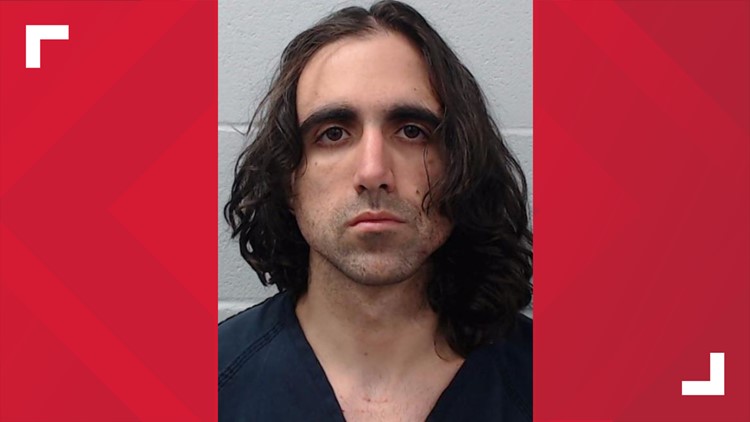
In a quiet corner of Austin, a heart-wrenching story unfolds, echoing the pain of a family shattered by tragedy. Jeremiah Kuenzli, a 34-year-old man, sits in a courtroom, his fate hanging in the balance as he faces charges related to the death of his mother, a beloved figure in their community. The air is thick with tension, not just for the legal implications, but for the emotional turmoil that grips those who knew her. As the gavel strikes, the reality of a mother lost and a son struggling with his mental health becomes painfully clear.
In 2022, the life of 62-year-old Mary Kuenzli was tragically cut short, leaving behind a community in mourning and a family grappling with loss. Jeremiah was charged with her murder, but court records reveal a complex narrative of mental health struggles that complicate the case. Jeremiah was acquitted for "insanity or lack of mental responsibility" in connection to his mother's death, a verdict that has left many questioning the intersection of mental illness and the justice system.
The court's determination of Jeremiah's mental incompetence to stand trial highlights a critical issue within our community—how we address mental health and support families in crisis. As the legal proceedings continue, the Kuenzli family remains in the shadows of grief, waiting for answers and closure. The tragic circumstances surrounding Mary’s death have prompted many in the community to reflect on their own experiences with mental health, leading to a broader conversation about the resources available for those in need.
The news of Mary Kuenzli's death sent ripples through the neighborhood, where she was known not just as a mother but as a nurturing presence for many. Friends and neighbors remember her kindness and warmth, recalling how she would often host gatherings that brought the community together. "She had a way of making everyone feel at home," shared a neighbor, who wished to remain anonymous. "Her loss is felt deeply by all of us. It's hard to understand how something like this could happen." Mary was actively involved in local charities, often volunteering her time to help those less fortunate, which made her death even more shocking to those who knew her.
As details of the case emerge, community members have expressed a mix of sorrow and concern. Many are advocating for better mental health resources, recognizing that Jeremiah's struggles are part of a larger conversation about how we support individuals and families dealing with mental health issues. Local organizations, such as NAMI, are stepping up to provide education and resources, aiming to break the stigma surrounding mental illness. The tragedy has sparked discussions at town hall meetings, where residents have begun to voice their concerns over the lack of accessible mental health care in the area.
In light of this tragedy, several community leaders have called for increased funding for mental health services. Council member Vanessa Fuentes stated, "We need to ensure that families have access to the support they need before situations escalate to a crisis. Mental health should be treated with the same urgency as physical health." The push for enhanced mental health resources is not just a reaction to this incident but a proactive step towards fostering a healthier community. Local advocacy groups are organizing campaigns to raise awareness about mental health issues and to promote the importance of early intervention.
Community organizations are rallying to provide workshops and support groups, offering a safe space for families to share their experiences and seek help. The hope is that by addressing these issues openly, the community can prevent future tragedies and support those in need. Initiatives like mental health first aid training sessions are being offered to equip community members with the skills to recognize and respond to mental health crises, fostering a culture of understanding and support.
As the legal proceedings unfold, the Kuenzli family is left to navigate their grief while grappling with the implications of Jeremiah's mental health. Family members have expressed their desire for understanding and compassion, emphasizing that mental illness is a complex issue that affects many families. "We just want people to know that this is not a simple story of good and evil; it's about a family in pain," a relative shared. They have been open about their struggles to cope with the dual loss of Mary and the ongoing crisis involving Jeremiah, highlighting the need for more robust support systems for families facing similar challenges.
Jeremiah's case has sparked conversations about the importance of mental health awareness and the need for compassionate support systems. Many are advocating for a shift in how society views mental illness, urging that it should not be stigmatized but instead treated with empathy and understanding. The Kuenzli family has become a symbol of the struggle many families face in the wake of mental health crises, and their story resonates deeply with others who have experienced similar pain.
Looking ahead, the legal process will continue as Jeremiah's mental competency is evaluated. The court's decision will ultimately shape the future for both him and the Kuenzli family. As they await the next steps, community support remains crucial. Local churches and organizations are stepping in to offer counseling and support services, emphasizing the importance of faith and community in healing. The Austin community is coming together to provide resources and support for the Kuenzli family, with fundraisers being organized to help cover legal and mental health expenses.
The Kuenzli family's story serves as a poignant reminder of the complexities of mental health and the impact it has on families and communities. It urges us all to take a closer look at how we can foster understanding and support for those in need. As we gather around our dinner tables, sharing meals and stories, let us remember the importance of connection, compassion, and commitment to one another.
In the wake of this tragedy, the Austin community is coming together, united in grief but also in hope for a future where mental health is prioritized, and families are supported. The journey ahead may be long, but with collective effort and understanding, we can create a community that not only mourns together but also heals together. The ongoing dialogue surrounding mental health will likely shape future policies and initiatives, ensuring that the lessons learned from this tragedy lead to meaningful changes in the community.
By Jasmine Lee

By Maya Rodriguez

By Sofia Morales

By Maya Rodriguez