Community
Will Texans get $1,500? What must happen for Gina Hinojosa’s payment plan to become reality
By Dylan Carter
Advertisement · Why this ad?
Dylan Carter covers the rapidly evolving tech scene in Austin, with a focus on startups and innovation. He graduated from Texas A&M University and has previously written for the tech section of the Houston Chronicle for over 8 years.
More from Dylan →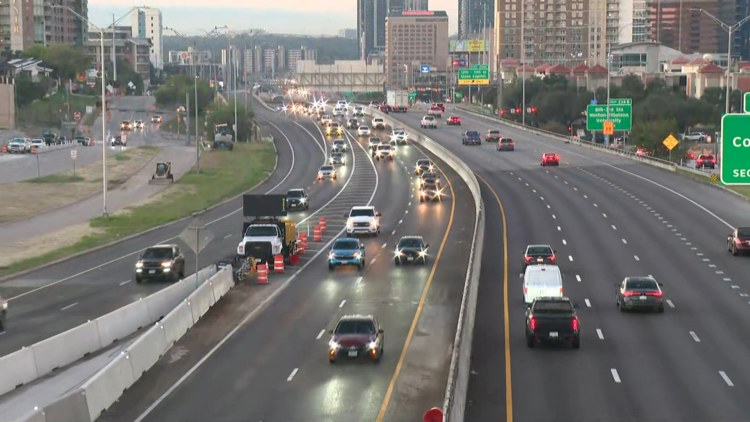
Every morning, commuters line up on the overpasses of Interstate 35, their faces reflecting a mixture of frustration and fatigue as they inch toward their destinations. Among them is Sarah Thompson, a mother of two and full-time marketing manager, who often spends over an hour navigating the congested lanes. "It's exhausting, and it feels like a waste of time," she shares, her voice tinged with exasperation. However, a new initiative is set to shake things up for Austin's commuters, aiming to ease the burden of traffic while offering a financial incentive for those willing to share a ride.
The City of Austin has launched the We Ride I-35 program, a carpool initiative designed specifically for commuters traveling along the notoriously congested Interstate 35 corridor. Participants can download the CTXGO app, which allows them to log their carpool trips and earn up to $5 per day. This innovative approach not only incentivizes carpooling but also aims to significantly reduce the number of vehicles on the road, thereby alleviating traffic congestion.
According to the Texas Department of Transportation, I-35 is one of the busiest highways in the state, with traffic volumes reaching upwards of 200,000 vehicles per day during peak hours. The We Ride I-35 program is part of a broader strategy to address the growing congestion problem that has plagued Austin for years. By encouraging commuters to share rides, the city hopes to lessen the environmental impact of single-occupancy vehicles while promoting a sense of community among residents.
“This program is a win-win for everyone involved,” says Austin Mayor Kirk Watson. “Not only does it help reduce traffic, but it also provides financial relief for families who may be struggling with rising gas prices. We want to make commuting a more enjoyable experience for all Austinites.”
The response from the community has been overwhelmingly positive, with many residents eager to take part in the initiative. Local organizations have begun promoting the program, emphasizing the benefits of carpooling not just for individuals but for the community as a whole. “It’s about building connections,” says Lisa Martinez, a local business owner who has already started carpooling with her colleagues. “We’re not just saving money; we’re also getting to know each other better.”
Beyond the financial incentives, carpooling offers a range of social benefits. For many participants, the opportunity to share a ride means forming new friendships and fostering a sense of camaraderie among commuters. “I used to dread my commute, but now I look forward to it,” says Sarah Thompson. “I’ve met some amazing people who share my struggles, and we’ve formed a little support group.”
The program also aligns with the city’s goals of promoting sustainability. By reducing the number of vehicles on the road, carpooling can lead to lower emissions and a healthier environment. According to the Environmental Protection Agency, transportation is one of the largest sources of greenhouse gas emissions in the U.S. The We Ride I-35 initiative addresses this issue directly, making it a vital component of Austin’s broader environmental strategy.
The We Ride I-35 program is not just a city initiative; it’s a grassroots movement that resonates deeply with the people of Austin. Take John Ramirez, for instance, a software engineer who has been commuting from Round Rock to downtown Austin for the past six years. “I’ve been stuck in traffic for so long that I’ve lost count of the hours,” he laments. “But with this program, I’ve found a couple of coworkers who live near me, and now we carpool together. It’s amazing how much more pleasant the drive becomes when you’re not alone.”
John’s story is echoed by many others in the area, reinforcing the notion that this initiative is more than just a means to cut down on traffic. It’s about reclaiming time, reducing stress, and fostering a sense of community among those who share similar daily struggles. Local coffee shops and eateries are also noticing an uptick in business as carpoolers often stop for a quick coffee or breakfast before heading to work. “We’ve seen a lot of new faces in the mornings,” says Emily, a barista at a popular local café. “It’s great to see people coming together, and we love being a part of their morning routine.”
As the We Ride I-35 program gains traction, city officials are looking at ways to expand its reach. Plans are in place to introduce additional features within the CTXGO app, including real-time traffic updates and suggestions for optimal carpooling routes. “We want to make this as easy as possible for people,” says project manager Tom Reynolds. “The more seamless the experience, the more likely people are to participate.”
In addition to enhancing the app, the city is also exploring partnerships with local businesses to offer additional incentives for commuters. “If we can get local businesses on board, we can create a culture of carpooling that extends beyond just this program,” says Reynolds. “It’s about changing mindsets and encouraging people to think differently about their commutes.”
Moreover, city planners are considering hosting community events to raise awareness about the benefits of carpooling and to encourage more residents to participate. Workshops could be organized to teach commuters how to effectively use the CTXGO app and share their experiences. “Community engagement is key,” says Reynolds. “We want to hear from the people who are using the program and learn how we can improve it.”
The We Ride I-35 program is more than just a carpool initiative; it’s a community-driven solution to a pressing problem that affects countless families in Austin. As Sarah Thompson and her fellow commuters embrace this new opportunity, they are not only finding relief from the daily grind of traffic but also building connections that can last a lifetime. With the city’s commitment to enhancing the program and encouraging participation, the future looks bright for Austin’s commuters. As more residents join the movement, the dream of a less congested, more connected community may soon become a reality.
By Dylan Carter

By Marco Sullivan
By Ethan Brooks
By Marco Sullivan