
Community
Texas Governor-elect Gina Hinojosa to hold first press conference
By Sofia Morales
Advertisement · Why this ad?
Clara Nguyen is dedicated to covering Austin's eclectic arts scene and has been doing so for 3 years. A graduate of the University of Texas at Dallas, she has a background in both journalism and performance arts.
More from Clara →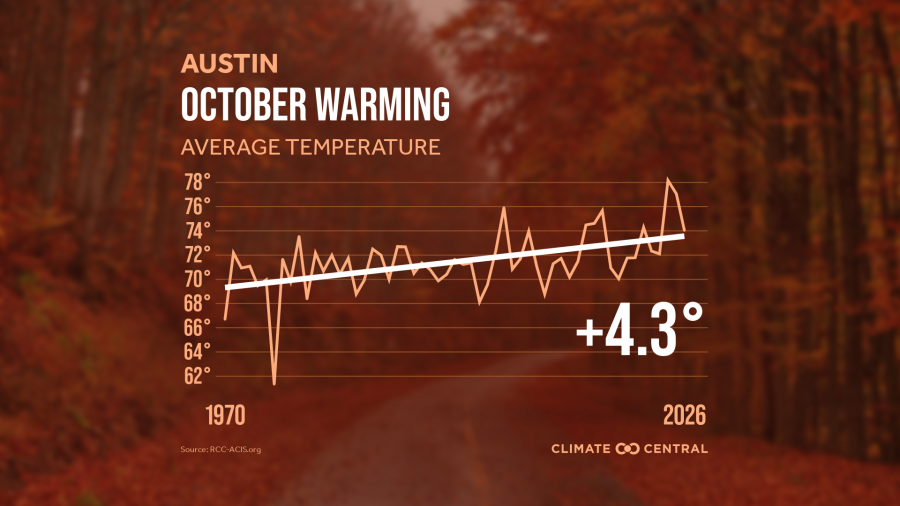
As the sun dipped below the horizon, casting a warm glow over Austin's skyline, residents gathered at local parks, enjoying the balmy October evenings. Children played, couples strolled hand-in-hand, and families shared laughter, all while the air felt more like summer than the autumn season. Yet, this pleasant warmth comes with a backdrop of climate concerns, as a recent report from Climate Central highlights the reality of rising temperatures across the nation.
According to the findings released by Climate Central, Austin experienced above-average temperatures throughout October, a trend that was not isolated to Texas alone. The report indicated that many regions across the United States reported similar spikes in temperature, raising alarms about the implications of climate change. The data showed that Austin's average temperature was significantly higher than historical norms, aligning with a broader pattern of warming that has been observed over the past few decades.
This unsettling trend is part of a larger narrative that speaks to the challenges faced by communities in adapting to a changing climate. Climate Central's analysis reflects a growing urgency to address these environmental shifts, particularly as they impact local ecosystems, agriculture, and public health. The report serves as a call to action, urging residents to reflect on their environmental footprints and the collective responsibility to foster sustainable practices.
In response to the report, community leaders and residents expressed a mix of concern and determination. Local environmental groups, such as Austin's Environmental Resources department, have been proactive in engaging the community through educational initiatives and sustainability programs. These efforts aim to equip residents with the tools needed to combat climate change, emphasizing the importance of collective action.
“It’s alarming to see these temperatures rise, especially when we have children and future generations to think about,” shared Maria Gonzalez, a local mother and environmental advocate. “We need to come together as a community to make a difference.” Her sentiment resonates with many in the city, where a strong sense of community and commitment to family values drives the push for environmental stewardship.
Meanwhile, local businesses are also stepping up, with many committing to greener practices. The Austin Chamber of Commerce is facilitating partnerships between businesses and environmental organizations, fostering a culture of sustainability that aligns with the community’s values. For instance, local coffee shops are now sourcing their beans from sustainable farms, and restaurants are implementing composting programs to reduce waste.
Looking ahead, the report from Climate Central serves as a pivotal reminder of the need for continued vigilance and action. Local government officials are expected to discuss climate resilience strategies in upcoming city council meetings. These discussions will likely focus on enhancing infrastructure to withstand extreme weather events, improving public transportation, and increasing green spaces to mitigate urban heat.
As the community rallies around the cause, initiatives such as the City of Austin Parks and Recreation Department are crucial. By investing in parks and natural spaces, the city not only combats heat but also fosters a sense of belonging and connection among residents. The Parks Department is currently working on a plan to expand the number of tree canopies in urban areas, which will provide shade and help cool the city.
In addition to city-led initiatives, community events are becoming a focal point for raising awareness about climate change. The upcoming Austin Climate Festival is set to take place in early November, bringing together local activists, educators, and families for a day of workshops, speakers, and activities centered around sustainability. This event aims to engage the community in discussions about climate action while providing practical solutions that residents can implement in their daily lives.
Furthermore, community gardens are gaining traction in neighborhoods across Austin. These gardens not only provide fresh produce but also serve as a gathering place for residents to learn about sustainable gardening practices. Volunteers from all walks of life come together to cultivate these spaces, strengthening community ties while addressing food security issues.
The effects of rising temperatures are felt acutely in the lives of Austin residents. For example, Sarah Lee, a local teacher, shared her experience of how the warmer October weather has altered her classroom activities. “We used to have outdoor science lessons in the fall, but now it feels like summer. We have to rethink how we engage students with nature,” she explained. Such changes not only affect educational practices but also the way families spend time together, as outdoor activities become increasingly uncomfortable during the hotter months.
Moreover, local farmers are expressing concerns about the impact of climate change on their crops. John Ramirez, who runs a family-owned farm just outside the city, noted, “The heat affects our harvests. We’re seeing shifts in growth cycles, and it’s becoming harder to predict when to plant and when to harvest.” This unpredictability can lead to economic instability for farmers and food supply issues for the community.
For those looking to take action, numerous resources are available to help residents make environmentally friendly choices. Organizations like Austin Sustainability provide valuable information on reducing energy consumption, recycling, and participating in local clean-up events. Engaging with these resources can empower individuals and families to contribute positively to the climate conversation.
Additionally, educational workshops hosted by local nonprofits focus on teaching sustainable gardening, water conservation, and energy efficiency. These programs not only provide practical knowledge but also strengthen community bonds as residents work together towards common goals. For example, the Texas A&M AgriLife Extension offers free workshops on water-saving techniques that have proven invaluable for families looking to reduce their water bills while being environmentally conscious.
As the warmth of October lingers in the memories of Austin's residents, it serves as a poignant reminder of the delicate balance between enjoying the beauty of nature and safeguarding it for future generations. The collective response to Climate Central's report reflects a community that values strong families and a commitment to preserving the environment.
In a world increasingly shaped by climate change, Austin stands at a crossroads. The choices made today will define the legacy left for future generations. By fostering a culture of sustainability and unity, Austin can continue to embody the American dream of a thriving community built on commitment, resilience, and faith. The involvement of residents, businesses, and local government in addressing climate challenges will be crucial in shaping a sustainable future for all.
By Sofia Morales

By Victor Ramirez

By Marco Sullivan

By Dylan Carter