
Community
KVUE Voter Guide: What you need to know to vote in the November midterm election
By Marco Sullivan
Advertisement · Why this ad?
Dylan Carter covers the rapidly evolving tech scene in Austin, with a focus on startups and innovation. He graduated from Texas A&M University and has previously written for the tech section of the Houston Chronicle for over 8 years.
More from Dylan →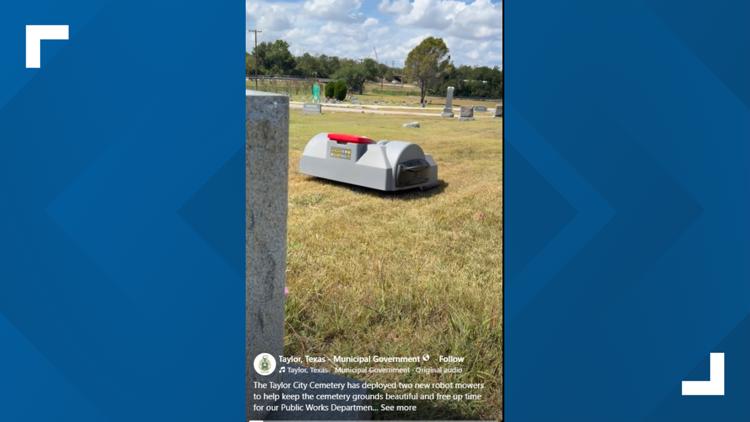
As the sun rises over the Taylor City Cemetery, a quiet hum fills the air. It's not the sound of a traditional lawn mower, but rather the gentle whir of autonomous robotic mowers gliding over the manicured grass. These innovative machines are not just a technological marvel; they represent a commitment to maintaining the beauty and dignity of the resting place for many families in the community.
In a groundbreaking move, the city of Taylor has adopted robotic mowers to maintain the grounds of the Taylor City Cemetery. This decision marks a significant shift in how local governments can utilize technology to enhance public services. The mowers, equipped with advanced sensors and GPS technology, navigate the cemetery's layout with precision, ensuring that every inch of grass is trimmed to perfection. This initiative not only promises to improve the aesthetic appeal of the cemetery but also aims to reduce labor costs associated with traditional mowing methods.
The decision to implement these autonomous mowers was made during a city council meeting held earlier this month. City officials emphasized that this technology aligns with the city's goals of sustainability and efficiency. "We are excited to see how these mowers can help us maintain our cemetery with less manpower while providing a cleaner and more serene environment for visitors," said Mayor Jason Reed.
The introduction of robotic mowers has sparked a range of reactions among residents of Taylor. Many community members have expressed enthusiasm about the potential benefits of this initiative. Local resident Mary Johnson, who visits the cemetery regularly to honor her late husband, shared her thoughts: "I think it’s a wonderful idea. It’s important to keep this place looking beautiful, and if robots can help with that, I’m all for it!"
Mary's sentiment echoes a broader appreciation among Taylor residents for advancements that enhance community spaces. The cemetery, which has been a part of Taylor’s landscape for over a century, holds deep emotional significance for many families. It is not merely a resting place but a cherished site for remembrance and reflection. Families often come together during special occasions, such as Memorial Day or anniversaries, to pay their respects, and the appearance of the cemetery can play a crucial role in their experience.
However, not everyone is convinced that robotic mowers are the best solution for maintaining the cemetery. Some residents have raised concerns about the reliability of the technology and the potential for technical malfunctions. "What happens if one of those mowers breaks down? Will it just sit there?" asked local veteran Tom Harris, who has a vested interest in the cemetery's upkeep. Despite these concerns, most residents agree that the benefits may outweigh the risks.
Tom’s concerns reflect a common apprehension about the rapid adoption of technology in spaces traditionally managed by human hands. The emotional connection many have to the cemetery makes the stakes feel particularly high. The city has assured the public that there will be regular maintenance checks on the robotic mowers to ensure their smooth operation. Additionally, city officials plan to monitor the performance of the mowers closely over the next few months to address any issues that may arise.
The implementation of robotic mowers is part of a broader trend in which municipalities are increasingly turning to technology to improve public services. According to a recent report by the U.S. Department of Agriculture, the use of automation in landscaping and maintenance can lead to significant cost savings and increased efficiency. For Taylor, this means reallocating resources to other community projects, such as park improvements and recreational programs.
As cities across the nation explore similar innovations, Taylor stands at the forefront of this movement. The local government is also considering other technological advancements, such as smart irrigation systems and solar-powered lighting in public parks, which could further enhance community services. These initiatives not only promise to modernize public spaces but also contribute to environmental sustainability, a key concern for many residents.
While the introduction of robotic mowers represents a shift towards modernity, it also opens up a dialogue about preserving the traditions associated with cemetery maintenance. For many, a cemetery is more than just a resting place; it’s a sacred space that reflects the values and history of the community. The challenge for Taylor will be to balance the efficiency of technology with the emotional and cultural significance of the cemetery.
City officials are aware of this delicate balance. "We want to make sure that while we embrace new technologies, we do not lose sight of the values that make our community special," Mayor Reed noted. This sentiment resonates with many residents who appreciate the personal touch that traditional maintenance provides. The city is considering community forums where residents can voice their opinions and share their experiences, ensuring that the transition to robotic mowers is a collaborative effort.
Looking ahead, the city plans to evaluate the performance of the robotic mowers over the next six months. City officials will gather feedback from residents and cemetery visitors to assess the effectiveness of the mowers. Based on this feedback, they may consider expanding the use of robotic technology to other city-owned properties.
As Taylor continues to innovate, the community remains engaged in the conversation about how technology can enhance their quality of life while maintaining the core values that bind them together. The robotic mowers are just one example of how the city is striving to create a better future while honoring its past.
In conclusion, the adoption of robotic mowers at the Taylor City Cemetery is more than just a technological advancement; it is a reflection of the community's commitment to honoring its heritage while embracing the future. As residents watch these machines gracefully navigate the cemetery grounds, they are reminded that progress and tradition can coexist in a way that respects the past while paving the way for a brighter tomorrow. The ongoing dialogue between the city and its residents will be crucial in shaping the future of community services in Taylor, ensuring that technology serves the needs and values of its people.
By Marco Sullivan

By Sofia Morales
By Ethan Brooks

By Maya Rodriguez