
Health
How does daylight saving time impact your health?
By Ethan Brooks
Advertisement · Why this ad?
Dylan Carter covers the rapidly evolving tech scene in Austin, with a focus on startups and innovation. He graduated from Texas A&M University and has previously written for the tech section of the Houston Chronicle for over 8 years.
More from Dylan →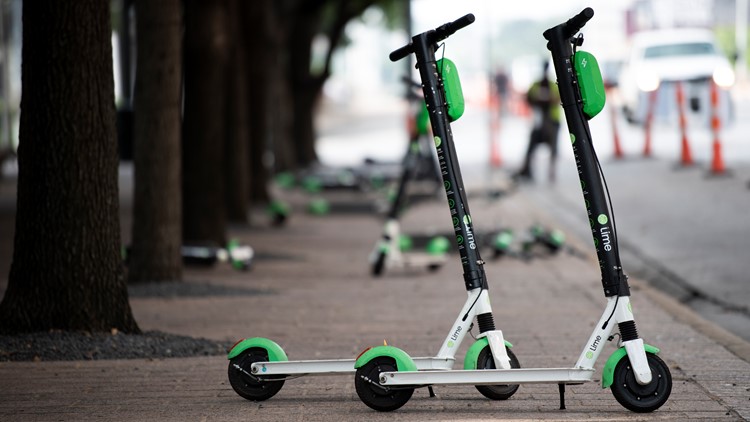
As the sun dipped below the horizon on a recent evening in Austin, the vibrant streets transformed into a canvas of headlights and shadows. Families strolled along the sidewalks, children darted between parked cars, and e-scooter riders zipped past, each moment a delicate balance between joy and caution. Yet, as daylight saving time came to an end, a stark reminder echoed through the city: the darker evenings heighten the risks for pedestrians and cyclists alike.
With the end of daylight saving time, the Texas Department of Transportation (TxDOT) and local healthcare professionals are urging the community to prioritize safety. According to TxDOT, pedestrian fatalities have been on the rise, with a 14% increase reported in 2022 compared to the previous year. This alarming trend has prompted a call to action from both transportation leaders and trauma surgeons, who stress the importance of vigilance as the nights grow longer.
Dr. John Smith, a trauma surgeon at Dell Seton Medical Center, emphasized the urgency of this message. "As darkness falls earlier, we see an increase in accidents involving pedestrians and cyclists. It's crucial for everyone on the road to be aware and take necessary precautions to protect themselves and others," he stated. The juxtaposition of the bustling nightlife and the inherent dangers of reduced visibility creates a precarious situation for residents.
In Austin, where the population is rapidly growing, the need for safe transportation options is more pressing than ever. The city has invested in various initiatives to improve pedestrian safety, including enhanced street lighting and dedicated bike lanes. However, the responsibility also lies with individuals to remain alert and cautious, particularly as they navigate the streets during these darker months.
Local residents have expressed a mix of concern and commitment to improving safety on Austin’s roads. Many have taken to social media to share their experiences and highlight the importance of being visible while walking or biking at night. One resident, Maria Gonzalez, shared her story of nearly being hit while crossing the street after sunset. "I always wear reflective clothing now, and I urge others to do the same. We need to look out for each other," she said.
Community organizations are also stepping up to address these concerns. The Austin Pedestrian Advisory Council has launched a campaign encouraging pedestrians to carry flashlights and wear bright clothing during evening walks. Their initiative aims to foster a culture of safety and awareness among residents, reminding everyone that a simple change can make a significant difference.
Furthermore, the Austin Chamber of Commerce has joined the conversation by promoting local businesses that prioritize pedestrian-friendly environments. Their efforts underscore the connection between community safety and economic vitality. "When people feel safe walking around, they are more likely to shop local and support our businesses," stated Chamber spokesperson, Lisa Tran.
The statistics surrounding pedestrian safety in Austin are sobering. In 2022, TxDOT reported that there were 138 pedestrian fatalities statewide, with Austin accounting for a significant portion of these incidents. The combination of high traffic volumes, mixed-use developments, and a growing population creates a challenging landscape for pedestrians and cyclists.
As the city continues to evolve, the need for comprehensive safety measures becomes increasingly apparent. The rise in e-scooter usage, while providing an alternative mode of transportation, has also contributed to the complexities of ensuring pedestrian safety. Riders often navigate crowded sidewalks and streets, sometimes without adequate lighting or safety gear.
Dr. Smith pointed out that many of the injuries he sees in the emergency room during the fall months are related to pedestrian accidents. "We have to remember that everyone is a pedestrian at some point in their day. Whether you’re walking to your car or crossing the street, we need to prioritize safety for all road users," he emphasized.
In response to the rising concerns, TxDOT has outlined several safety measures that both drivers and pedestrians can adopt. For drivers, the agency recommends reducing speed, especially in residential areas and near schools. Additionally, they encourage the use of headlights even during twilight hours to increase visibility.
Pedestrians are advised to stay in well-lit areas, use crosswalks, and make eye contact with drivers before crossing streets. E-scooter riders should also wear helmets and utilize bike lanes whenever possible. By adopting these practices, everyone can contribute to a safer environment.
The City of Austin has also committed to improving infrastructure to support these safety measures. Recent projects include the installation of more crosswalk signals and the expansion of bike lanes throughout the city. These enhancements aim to create a more pedestrian-friendly environment, making it easier for residents to navigate safely.
As Austin prepares for the winter months, the message from TxDOT and local health officials is clear: safety is a shared responsibility. With the darker evenings upon us, the community must come together to ensure that everyone can enjoy the city’s vibrant streets without fear of accidents.
Looking ahead, city planners and transportation leaders are also exploring innovative solutions to enhance safety. Ideas such as smart traffic signals that adapt to real-time conditions and increased public awareness campaigns are on the table. These initiatives reflect a commitment to not only addressing current challenges but also anticipating future needs as Austin continues to grow.
Local advocacy groups, such as the Austin Safe Streets Coalition, are actively working to engage the community in discussions about pedestrian safety. They host regular town hall meetings where residents can voice their concerns and suggest improvements. These gatherings not only provide a platform for discussion but also help foster a sense of community ownership over local safety issues. Coalition member, Sarah Johnson, noted, "It’s vital that we as a community take charge of our safety. Our voices matter, and together we can push for the changes we want to see in our neighborhoods."
Additionally, the coalition is working on a proposal to the city for a pilot program that would implement temporary street closures in high-traffic areas during peak pedestrian hours. This initiative is aimed at creating safer walking environments, particularly in areas around schools and popular parks.
As the holiday season approaches, the importance of responsible behavior on the roads becomes even more critical. Local schools are planning safety workshops aimed at educating students and their families about pedestrian safety. These workshops will cover topics such as the significance of using crosswalks, the dangers of distracted walking, and the importance of visibility at night. By instilling these values in children, the hope is to create a generation that prioritizes safety and advocates for responsible behavior on the roads.
In the meantime, residents are encouraged to stay informed and engaged with local safety initiatives. By participating in community discussions and advocating for safer streets, they can play an active role in shaping the future of Austin’s transportation landscape. As families and friends gather during the holiday season, prioritizing safety will be essential in ensuring that everyone can enjoy the festivities without incident.
By Ethan Brooks

By Lila Chen

By Dylan Carter

By Lila Chen