Community
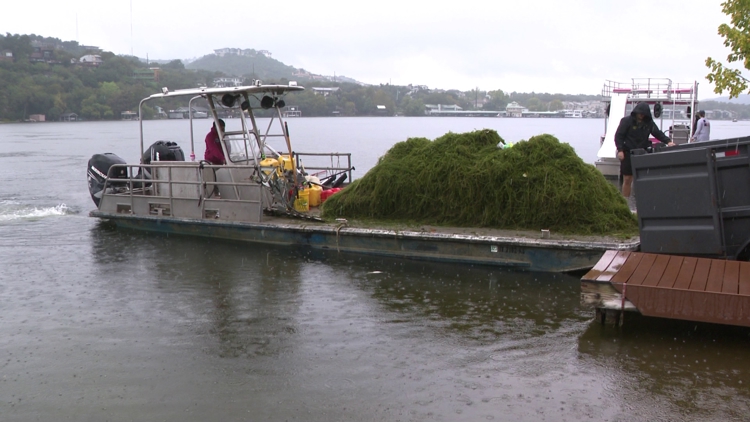
City adds more than 7,000 grass carp to Lake Austin to fight invasive hydrilla
By Jasmine Lee
Advertisement · Why this ad?
Victor Ramirez has a passion for food journalism, reporting on Austin's vibrant culinary landscape for over 4 years. He holds a degree in Culinary Arts from Le Cordon Bleu and has contributed to local blogs and food magazines.
More from Victor →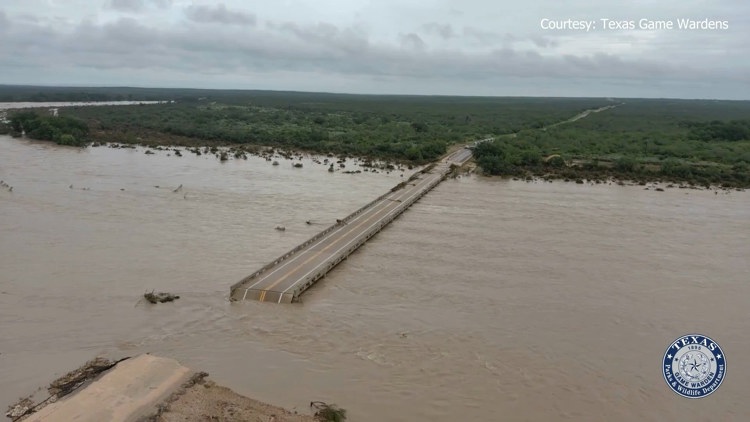
As the sun dipped below the horizon, casting a warm golden hue over the Texas landscape, the aftermath of July’s devastating flooding still lingers in the hearts and homes of many. Families gathered around kitchen tables, sharing meals and memories, but the conversation often turned to the challenges they now face. The recent approval of federal disaster assistance by FEMA for 20 Texas counties, including many local communities, brings a glimmer of hope amid the uncertainty.
In July, torrential rains swept across Texas, leading to significant flooding that affected numerous counties. In response to this calamity, FEMA has granted disaster assistance to 20 of these counties, a decision announced by the governor's office recently. This assistance aims to support families and individuals who have suffered losses due to the flooding, providing a much-needed lifeline during this challenging time.
The counties receiving aid include some of the hardest-hit areas, where homes were inundated, and communities faced extensive damage to infrastructure. Governor Greg Abbott emphasized the importance of this assistance, stating, "We will continue to work with our local and federal partners to ensure that Texans have the resources they need to recover and rebuild." This commitment to recovery speaks volumes about the resilience of the Texas spirit.
Residents can apply for FEMA disaster assistance online or by calling 800-621-3362. This streamlined process allows those affected to access the support they need without having to navigate the complexities often associated with disaster recovery. For many families, this assistance means the difference between despair and hope, allowing them to begin the journey of rebuilding their lives.
The announcement of FEMA's assistance has been met with a mixture of relief and gratitude from the affected communities. Local leaders, such as mayors and county judges, have expressed their appreciation for the swift action taken by FEMA and the governor's office. Many have shared stories of residents who have lost everything and are now finding solace in the knowledge that help is on the way.
One local business owner, Maria Gonzalez, who runs a small café in a flood-affected area, remarked, "It’s a tough time for all of us, but knowing that we have support from FEMA gives us hope. We are a strong community, and together we will get through this." Maria’s sentiment echoes the feelings of many who are banding together to support one another in the wake of this disaster.
Community organizations have also stepped up, offering resources and support to those in need. The local church has opened its doors, providing shelter and meals to families displaced by the flooding. This spirit of togetherness is a testament to the strength and resilience of the community, showcasing how faith and commitment can bring people together during the toughest times.
Among the many stories emerging from the aftermath of the flooding, the tale of the Ramirez family stands out. After losing their home in the flooding, they were taken in by relatives who live nearby. Maria Ramirez, the matriarch of the family, reflected on their situation, saying, "We are grateful for our family’s support, but we want our own home back. We are determined to rebuild and create a safe space for our children again." This determination is shared by many families who, despite their losses, are committed to rising from the ashes.
As families begin to navigate the application process for disaster assistance, it is crucial for them to stay informed about the resources available to them. Local officials are working diligently to ensure that residents are aware of the support systems in place. Workshops and informational sessions are being organized to guide individuals through the application process and provide additional resources for recovery.
In addition to FEMA assistance, the Texas Division of Emergency Management is coordinating with local agencies to facilitate recovery efforts. This includes providing temporary housing solutions, food assistance, and mental health resources for those struggling with the emotional toll of the disaster. It’s a comprehensive approach that acknowledges the multifaceted nature of recovery.
Looking forward, the community is focused on rebuilding not just homes, but also lives. Local leaders are advocating for long-term solutions to prevent future flooding, emphasizing the importance of infrastructure improvements and sustainable development. The resilience of the Texas spirit is evident as families unite to support one another, embodying the values of commitment and perseverance.
In the wake of the flooding, community leaders are also discussing the need for better urban planning and flood management systems. Conversations have begun regarding the implementation of green infrastructure, such as rain gardens and permeable pavements, which can help absorb excess rainwater and mitigate flooding risks in the future. Engaging with environmental experts and urban planners will be crucial in developing these strategies.
For those affected by the flooding, several resources are available to assist in the recovery process. The FEMA website provides comprehensive information on how to apply for disaster assistance, including eligibility requirements and application deadlines. Additionally, residents can access local resources through the Texas Department of Transportation, which is working on repairing damaged roads and infrastructure.
Local non-profit organizations, such as the American Red Cross, are also on the ground providing immediate relief and long-term recovery assistance. Their efforts are essential in ensuring that families have access to necessary supplies and support as they begin to rebuild their lives.
Furthermore, mental health services are being made available through local clinics and organizations. The Texas Health and Human Services department is offering resources to help individuals cope with the emotional challenges that often accompany such disasters. It’s a reminder that recovery is not just about physical rebuilding but also about healing emotionally and spiritually.
The approval of FEMA disaster assistance for the 20 Texas counties affected by July’s flooding marks a pivotal moment for many families and communities. As they navigate the recovery process, the support from local leaders, organizations, and fellow residents will be invaluable. This disaster has tested the resilience of the Texas spirit, but it has also highlighted the strength of community bonds and the importance of faith and commitment in overcoming adversity.
As we look to the future, it is essential for residents to stay informed, connected, and engaged in the recovery efforts. The road ahead may be challenging, but together, the community will rise from the waters, stronger and more united than ever before. The road to recovery is not just about rebuilding structures but also about fostering a renewed sense of community and trust, ensuring that every voice is heard in the planning for a safer future.
By Jasmine Lee

By Jasmine Lee

By Victor Ramirez

By Maya Rodriguez