
Sports
FDA warns cinnamon brand could be contaminated just ahead of holiday baking season
By Jasmine Lee
Advertisement · Why this ad?
With over a decade of experience, Marco Sullivan reports on the Austin FC and other professional sports teams. He earned his degree from Texas State University and has contributed to ESPN Radio and the San Antonio Express-News.
More from Marco →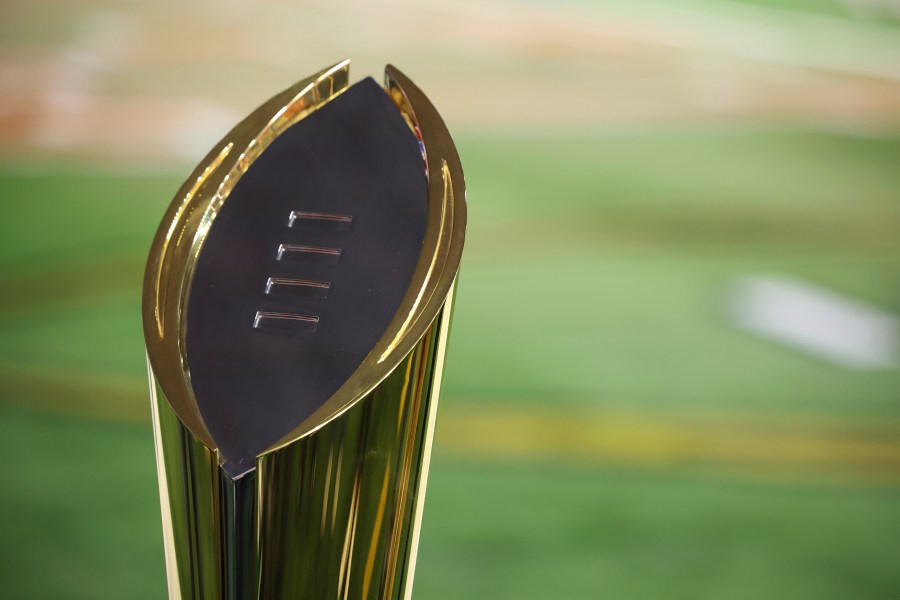
As the sun dipped below the horizon on a balmy Austin evening, fans gathered around their televisions, popcorn in hand, ready for the unveiling of the College Football Playoff (CFP) rankings. The air was thick with anticipation, excitement bubbling as they awaited the verdict on which teams would rise to the top of the college football hierarchy. When the rankings finally flashed across the screen, jaws dropped and heads shook in disbelief. Miami, yes, Miami, took the coveted top spot, leaving many to wonder: how did we get here?
The College Football Playoff selection committee released its first set of rankings for the 2023 season, and the results were nothing short of shocking. Miami (FL) claimed the number one position, a nod to their impressive 8-0 record and a string of victories that have turned heads this season. But the real head-scratcher came when the Alabama Crimson Tide found themselves sitting at number five, while the Notre Dame Fighting Irish languished at number 11. The rankings sparked a wave of confusion across the college football landscape, igniting debates and discussions among fans, analysts, and players alike.
With Miami's rise, the committee seemed to prioritize strength of schedule and recent performance over historical dominance. Alabama, despite their storied legacy and a roster filled with talent, has faced some unexpected challenges this season. Their loss to Texas earlier in the year left a lingering question mark on their playoff viability, which may have contributed to their placement. Meanwhile, Notre Dame's placement at 11 raised eyebrows as well, especially given their traditional powerhouse status.
The reaction from the college football community was immediate and fervent. Social media exploded with opinions, memes, and hot takes. Fans of Alabama and Notre Dame expressed their disbelief, while Miami supporters reveled in their unexpected glory. “This is a travesty!” shouted one frustrated Alabama fan on Twitter. “How can we be behind teams that haven’t even faced the competition we have?”
In Austin, the reaction was no different. Longhorn fans, always ready to throw their two cents into the mix, chimed in with their thoughts. “I think they’re just trying to shake things up,” said local sports bar owner Mike Johnson. “But you can’t ignore Alabama’s history. They’ve earned their spot at the top.” Johnson, like many others, believes that the rankings should reflect not just the present season but also the tradition and legacy of programs.
As one local sports analyst pointed out, “The committee has a tough job. They’re trying to balance current performance with historical context, and that’s no easy feat.” This sentiment echoed through the community, highlighting the complexities of the selection process. Fans are left to wonder: will the committee stick to their guns, or will the rankings shift as the season progresses?
To fully grasp the implications of these rankings, it’s essential to understand the criteria used by the selection committee. The committee evaluates teams based on their win-loss records, strength of schedule, head-to-head results, and conference championships. Miami’s undefeated status certainly played a significant role in their ascent, but Alabama’s history and the Fighting Irish’s storied past complicate matters.
“It’s about more than just wins; it’s about the journey,” said committee chair Boo Corrigan during the announcement. “We want to ensure that we’re recognizing teams that have shown resilience and determination.” While Miami has certainly demonstrated that, the question remains whether they can maintain their position against teams with deeper rosters and playoff experience.
As the season progresses, the stakes will only get higher. With several key matchups on the horizon, teams like Alabama and Notre Dame will have the chance to prove their worth and climb back up the rankings. The Crimson Tide faces a crucial game against LSU, while Notre Dame will take on a formidable USC squad. These games could be pivotal, not just for their playoff hopes, but for the integrity of the rankings themselves.
Fans across Texas are keeping a close eye on these matchups, hoping for a shake-up that could see their favorite teams move up in the rankings. “It’s all about the momentum,” said Longhorns fan and die-hard college football enthusiast Sarah Martinez. “If Alabama wins big, they’ll be right back in the conversation.”
The implications of these rankings extend beyond just the teams involved; they resonate deeply within the community. Local businesses, such as sports bars and restaurants, thrive during football season, and the buzz surrounding the rankings can lead to increased foot traffic and spirited discussions. “When the Longhorns or any Texas team is in the mix, it brings everyone together,” said Johnson, the sports bar owner. “It’s about community pride and supporting our teams.”
Moreover, the excitement surrounding college football fosters a sense of camaraderie and connection among fans. Families gather to watch games, share meals, and bond over their love for the sport. This shared experience is what makes college football a cherished tradition in Austin and beyond.
As we look to the future, the upcoming weeks will be critical in shaping the final playoff picture. With Miami holding the top spot, the pressure is on them to maintain their momentum. Can they withstand the challenges ahead? And what about Alabama and Notre Dame? Will they rise to the occasion and reclaim their rightful places in the rankings?
For fans, the excitement is palpable. The unpredictability of college football is what makes it so thrilling. Each week brings new opportunities for teams to assert themselves and make a case for the playoffs. As we gear up for the next round of games, one thing is clear: the college football landscape is ever-changing, and in Austin, the community is ready to rally behind its teams, celebrating the highs and supporting through the lows.
The CFP rankings also have implications beyond just the teams involved. They can influence recruiting, funding, and overall program visibility. For instance, a team ranked in the top four can expect increased attention from high school recruits, who often dream of playing for a national championship. Miami’s rise to the top could attract top-tier talent looking to join a winning program. “Recruiting is all about perception,” said local college football coach Tom Reynolds. “If you’re in the playoff conversation, it makes a huge difference.”
Additionally, the financial ramifications are significant. Teams that qualify for the playoffs stand to gain millions in revenue from ticket sales, merchandise, and sponsorships. This financial boost can be reinvested into facilities, coaching staff, and player development, further enhancing the program's competitiveness. As a result, the stakes are not just about pride; they can have lasting effects on the future of college football programs.
As the season unfolds, the excitement will only intensify. With Miami leading the pack, and traditional powerhouses like Alabama and Notre Dame fighting to regain their status, the narrative of the 2023 college football season is still being written. Fans, players, and communities alike are invested in the outcomes, and the coming weeks will determine which teams solidify their legacies and which ones will have to regroup for another chance next season. In Austin, the hope remains that the Longhorns can also make a push, adding to the thrilling unpredictability of college football.
By Jasmine Lee

By Jasmine Lee

By Jasmine Lee

By Marco Sullivan