Community
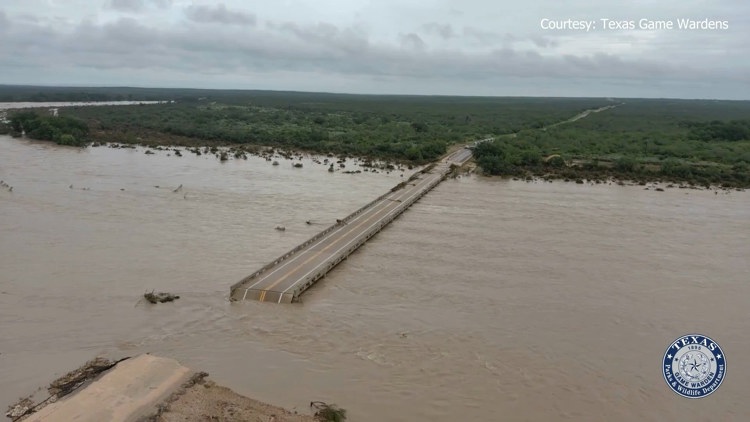
FEMA approves disaster assistance for 20 Texas counties affected by July flooding, governor's office says
By Victor Ramirez
Advertisement · Why this ad?
Jasmine Lee has spent the last 6 years reporting on high school and college sports in Central Texas. A graduate of UT Austin, she was previously with the Austin Chronicle and is passionate about showcasing the talent within the community.
More from Jasmine →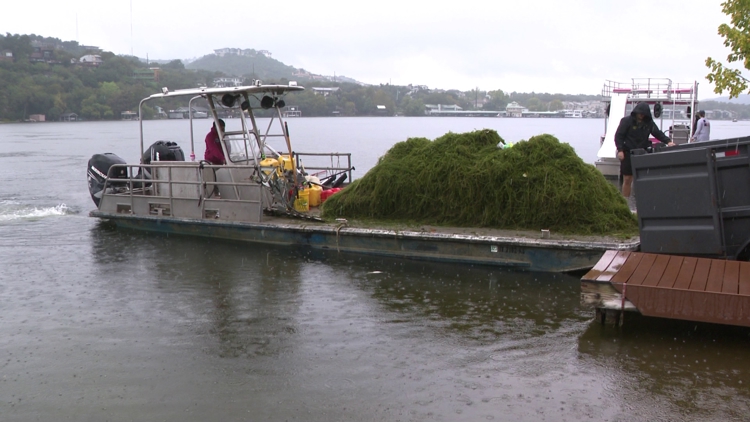
In a scene reminiscent of a small-town festival, families gathered along the shores of Lake Austin, their laughter mingling with the gentle lapping of waves against the dock. Children splashed in the water, while parents shared stories of summers spent boating and fishing on this beloved lake. But beneath the surface of this idyllic setting lies a growing concern: an invasive aquatic plant known as hydrilla, which has been wreaking havoc on the local ecosystem and boating community. To combat this menace, the City of Austin has embarked on a bold initiative, introducing over 7,000 grass carp into the lake.
Hydrilla is an aggressive aquatic plant that has increasingly become a problem for boaters and marina operators on Lake Austin. This invasive species not only disrupts the natural habitat but also creates navigation challenges for those who enjoy the lake for recreational activities. In response to the growing concern, the city has taken an innovative approach by introducing grass carp, a fish known for its voracious appetite for hydrilla.
The decision to release these fish into Lake Austin was made after extensive research and consideration of various control methods. Grass carp are herbivorous fish that can consume large quantities of aquatic vegetation, making them an effective biological control measure against hydrilla. This strategy aims to restore the ecological balance of the lake while ensuring that recreational activities can continue unhindered.
The Austin Parks and Recreation Department spearheaded this initiative, emphasizing the importance of maintaining the lake's health for both the environment and the community. The project aligns with the city's broader goals of sustainability and environmental stewardship, showcasing a commitment to preserving the natural beauty of Lake Austin for future generations.
The introduction of grass carp has sparked a wave of interest and discussion among local residents. Many are hopeful that this natural solution will effectively mitigate the hydrilla problem, allowing families to enjoy the lake without the worry of tangled vegetation. “We’ve seen the impact of hydrilla on our boating experience,” shared local resident Sarah Thompson, whose family has frequented the lake for years. “I’m excited to see how the grass carp can help restore the lake to its former glory.”
However, the initiative has not been without its critics. Some community members have expressed concerns about the potential ecological impact of introducing a new species into the lake. “While I understand the need to control hydrilla, I worry about the long-term effects on the lake’s ecosystem,” remarked John Ramirez, a local fisherman. “We need to ensure that we’re not creating new problems while trying to solve existing ones.”
The city has assured residents that the release of grass carp is a carefully monitored process. They have implemented measures to track the fish population and assess their impact on the hydrilla growth over time. Additionally, the Parks and Recreation Department is committed to ongoing communication with the community, providing updates and gathering feedback as the project progresses.
The health of Lake Austin is not just a local concern; it resonates deeply within the Austin community and beyond. This lake serves as a vital resource for recreational activities, tourism, and even local businesses that depend on the lake’s allure. By addressing the hydrilla issue, the city is working to safeguard the livelihoods of those who rely on the lake for their income, while also preserving a cherished recreational space for families.
Moreover, the introduction of grass carp represents a broader commitment to sustainable practices. As communities grapple with environmental challenges, finding innovative solutions that harmonize with nature is crucial. This initiative serves as a reminder that sometimes, nature holds the key to solving our problems.
For those interested in learning more about the hydrilla control project and how it may affect their activities on Lake Austin, the Austin Parks and Recreation Department has made resources available. Residents can access information on the project timeline, monitoring efforts, and ways to get involved through the city’s official website. Community forums are also being scheduled to encourage dialogue and address any concerns that may arise.
Additionally, local organizations focused on environmental conservation are stepping up to support the initiative. Groups like the Austin Parks Foundation and the Lake Austin Neighborhood Association are working collaboratively with the city to ensure that the project aligns with community values and environmental goals.
As the grass carp settle into their new home in Lake Austin, the community watches with hopeful anticipation. The success of this initiative could pave the way for similar projects in other areas facing invasive species challenges. By embracing a proactive approach to environmental management, Austin is setting a precedent for other cities grappling with similar issues.
In the coming months, the city will continue to monitor the impact of the grass carp on hydrilla growth and will share updates with the community. As families return to the lake for summer fun, they can do so with the knowledge that efforts are being made to preserve this cherished resource. The story of Lake Austin is one of resilience, community, and a shared commitment to protecting the environment for generations to come.
The introduction of grass carp is not merely a scientific endeavor; it is a community initiative that has galvanized residents from all walks of life. Local schools have begun incorporating the topic of hydrilla and the grass carp project into their science curricula, fostering a sense of environmental stewardship among the younger generation. “It’s a great opportunity for our students to learn about ecosystems and the importance of biodiversity,” noted Principal Emily Carter of Lakeview Elementary. “We want them to understand that they can make a difference in their environment.”
Community organizations are also stepping up to assist in the monitoring of the grass carp and the hydrilla situation. Volunteer groups, such as the Austin Watershed Protection Department’s “Adopt-a-Stream” program, are mobilizing residents to participate in regular clean-up and monitoring events along the lake. These efforts not only contribute to the health of the lake but also strengthen community ties. “This is about bringing people together for a common cause,” said local activist and program coordinator Mike Johnson. “When we work together, we can achieve so much more.”
Beyond environmental health, the introduction of grass carp has significant economic implications for the Austin community. Local businesses that thrive on lake-related activities—such as boat rentals, fishing gear shops, and lakeside restaurants—are hopeful that a healthier lake will attract more visitors. “Last summer, we saw a decline in customers because of the hydrilla,” shared Tom, owner of Lake Austin Boat Rentals. “If the grass carp can help clear the way, we’re optimistic for a better season ahead.”
Tourism is another sector poised to benefit from this initiative. Lake Austin is a popular destination for both locals and tourists alike, and a cleaner, more accessible lake could draw in more visitors. The city is also considering marketing campaigns to promote Lake Austin as a prime recreational spot, especially as the summer months approach. “We want people to know that Lake Austin is back and better than ever,” said a city spokesperson.
As the city embarks on this new chapter in managing Lake Austin’s ecosystem, future monitoring and research will be crucial. The Parks and Recreation Department plans to collaborate with local universities and research institutions to study the long-term effects of grass carp on hydrilla and the overall ecosystem. This partnership will not only provide valuable data but also engage the academic community in a meaningful way. “We’re excited to contribute to this important research,” said Dr. Lisa Chen, an ecologist at the University of Texas. “Understanding the dynamics of invasive species and their control is vital for environmental management.”
Furthermore, the city is exploring additional methods of controlling hydrilla that complement the introduction of grass carp. These may include manual removal techniques and the use of other native aquatic plants that can coexist with the grass carp while still keeping hydrilla in check. “It’s about creating a balanced ecosystem,” emphasized Parks and Recreation Director Mark Johnson. “We want to ensure that Lake Austin remains a vibrant habitat for all forms of life.”
By Victor Ramirez

By Jasmine Lee

By Victor Ramirez

By Maya Rodriguez